Microvascular Reconstruction in Amreli
Published: 27 July 2026 · Last Updated: July 2026
Key Takeaways
- Microvascular reconstruction moves healthy tissue and reconnects tiny blood vessels under a microscope.
- It is used for large wounds, cancer defects, major trauma and limb salvage when simple closure will not work.
- The surgery needs microsurgical training and equipment, so it is done at specialised centres.
- Recovery involves close early monitoring of the flap, then a gradual return over several weeks.
- Patients from Amreli can plan the journey to Surat in a way that keeps trips to a minimum.
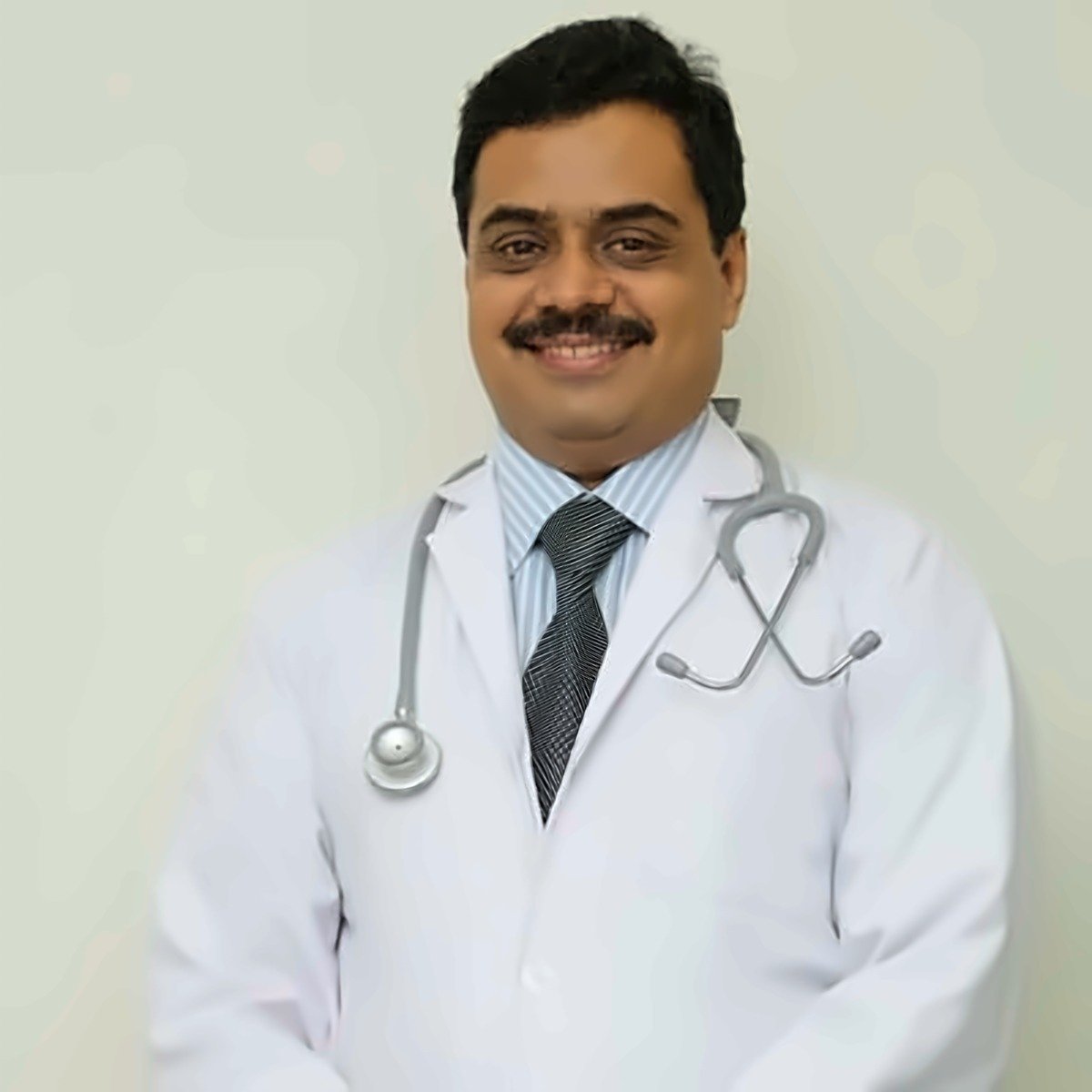
When a wound, cancer defect or major injury is too large to close simply, microvascular reconstruction in Amreli patients often becomes the safest way to rebuild the area, and it works by moving healthy tissue with its own blood supply and reconnecting tiny vessels under a microscope. This advanced flap surgery restores both function and appearance. Elegance Clinic in Surat, led by Dr. Ashutosh Shah, treats patients travelling from Amreli and across Saurashtra for exactly these complex problems.
Amreli has good general hospitals, yet microsurgery needs special training and equipment. Therefore, for the most complex cases, travelling to a specialised Surat centre is often worthwhile.
What is microvascular reconstruction?
Microvascular reconstruction is surgery that transfers living tissue, called a free flap, from one part of the body to another and reconnects its small blood vessels under a microscope.
Because the moved tissue keeps its own blood supply, it stays alive and heals in its new place. Surgeons use it to rebuild areas where skin, muscle or bone has been lost. The reconnected vessels are often less than a few millimetres wide, which is why the work is done with a microscope and very fine stitches.
Who needs microvascular reconstruction?
Patients need this surgery when a defect is too large or too deep for simple stitching or a skin graft. Common reasons include removal of a tumour, a severe road accident, a non healing diabetic wound, or exposed bone and tendon. Additionally, limb salvage after serious injury often relies on a free flap to cover vital structures and avoid amputation.
According to the World Health Organization, road traffic injuries remain a major cause of trauma, and reconstructive surgery plays an important role in restoring function afterwards. A careful assessment decides whether microvascular reconstruction in Amreli patients is the right choice or whether a simpler method will do.
What reconstruction options are available?
Not every defect needs a free flap, so the surgeon chooses the simplest method that will heal reliably. The right plan depends on the size, depth and location of the problem, and on your overall health. Options run from basic to complex.
- Skin grafting: a thin layer of skin covers a shallow, well supplied wound.
- Local flaps: nearby tissue is moved to fill a modest defect.
- Free flap, or microvascular reconstruction: tissue from a distant site is transferred and its vessels reconnected, used for the largest or deepest defects.
You can see examples of wound cover and skin grafting outcomes in our before and after gallery. When a case is complex, a specialist opinion helps confirm the safest route before anything is decided.
How is the surgery carried out?
Microsurgery follows a careful, staged sequence, and it is always performed under general anaesthesia. Dr. Ashutosh Shah plans the flap and the recipient vessels in advance.
- Planning and imaging: the team studies the defect, marks a suitable donor site and checks the blood vessels.
- Preparing the defect: unhealthy tissue is removed so the area is clean and ready to receive the flap.
- Raising the flap: healthy tissue is lifted from the donor site with its feeding artery and vein.
- Microscopic vessel join: the flap vessels are stitched to vessels near the defect under a microscope.
- Insetting and monitoring: the flap is shaped into place, then watched closely for blood flow in the first days.
Research summarised on PubMed shows that free flap surgery has high success rates in experienced hands, which is why microsurgical training matters so much for these operations.
Travelling from Amreli to Surat
Elegance Clinic does not have a branch in Amreli, and we say that plainly. The clinics sit at Adajan and Vesu in Surat, which is a manageable road journey from Amreli. For a complex reconstruction, travelling to a centre with microsurgical facilities is often the difference between saving and losing tissue. Our team helps you group the consultation, imaging and surgery to reduce the number of trips, and our outstation patients guide explains how to plan the visit and follow ups.
After the early healing phase, many routine checks can be handled closer to home, with review visits or video follow ups as needed.
How much does the surgery cost?
Cost depends heavily on the size of the defect, the type of flap, the operating time and the hospital stay needed for monitoring. Because every case differs, Elegance Clinic gives a written estimate after assessment rather than a fixed figure, covering the surgeon fee, theatre charges, anaesthesia and follow up visits. Complex flaps naturally involve a longer stay than simple procedures.
Where appropriate, instalment options can ease the financial side, and our EMI and financing guide covers what is available. For anything urgent, contact the clinic directly through the contact page.
Realistic results and healing
A successful free flap restores healthy cover, protects deeper structures and often saves a limb. Early healing focuses on flap survival, so the first days involve close observation. Over the following weeks the tissue softens and settles, while final contour and any minor touch ups may be considered several months later.
Reconstruction aims to restore function and a reasonable appearance rather than perfection, and honest goals set at Elegance Clinic help patients understand the realistic path ahead.
Common myths worth clearing up
- A large wound cannot always be left to heal on its own, because exposed bone or tendon needs proper cover.
- A skin graft does not suit every defect, since deep wounds often need a flap with its own blood supply.
- Microsurgery is not experimental, as free flaps are a well established reconstructive method.
- Travelling for specialist care is not wasted effort, because expertise strongly affects the outcome.
Aftercare that protects your result
Aftercare begins with careful flap monitoring and continues with steady wound care at home. You will receive written instructions on positioning, activity limits, and signs that need urgent attention. Furthermore, controlling diabetes and stopping smoking greatly improve healing, so these are addressed early. If you notice colour change in the flap, increasing pain or discharge, contact the clinic without delay. When you are ready to begin, our online consultation booking makes the first step straightforward.
Why patients choose Elegance Clinic
Patients from Amreli and across Saurashtra choose Elegance Clinic for experienced reconstructive care. Dr. Ashutosh Shah has more than twenty two years of surgical experience spanning trauma, cancer defects and limb salvage, and the same surgeon guides your case from assessment to follow up. Strict sterile protocols and unhurried consultations give complex cases the attention they deserve.
FAQs
How long does a free flap operation take?
These operations often take several hours because the microscopic vessel join demands precision. The exact time depends on the defect and flap chosen. A longer, careful operation gives the flap the best chance of healthy blood flow afterwards.
How is the flap monitored after surgery?
The flap is checked frequently in the first days for colour, warmth and blood flow. Early monitoring matters because prompt action can rescue a flap if its circulation is threatened. This is why a short hospital stay is usually recommended.
Can this surgery save a limb?
Often yes. When a serious injury or infection exposes bone or tendon, a free flap can provide durable cover and support limb salvage. Timely specialist assessment gives the best chance of avoiding amputation in suitable cases.
Is the donor site badly affected?
Surgeons choose donor sites that can spare tissue with limited effect on function. The donor area is closed carefully and heals with a scar. Most patients regain normal use of the region as recovery progresses over the following weeks.
How soon can I travel home afterwards?
Travel is delayed until the flap is stable and the early risk period has passed, usually a short stay. Planning transport and a local place to rest for the first phase makes recovery safer for patients coming from a distance.
What raises the risk of complications?
Smoking, uncontrolled diabetes and poor general health increase the risk of flap problems. Addressing these before surgery improves outcomes. Following the aftercare plan closely and attending reviews further protects the reconstruction during healing.
Will I need more than one operation?
Sometimes. Complex reconstruction may involve a later minor procedure to refine contour or improve function. The main flap surgery is the major step, and any further stages are planned once healing from the first operation is complete.
Ready to discuss your concern in person? Book a private consultation at our Adajan or Vesu clinic. Call +91 83205 00350 or use the Book Consultation button.