Who Teaches the Surgeons: Dr. Ashutosh Shah's Training and Faculty Work
Published: 28 September 2026
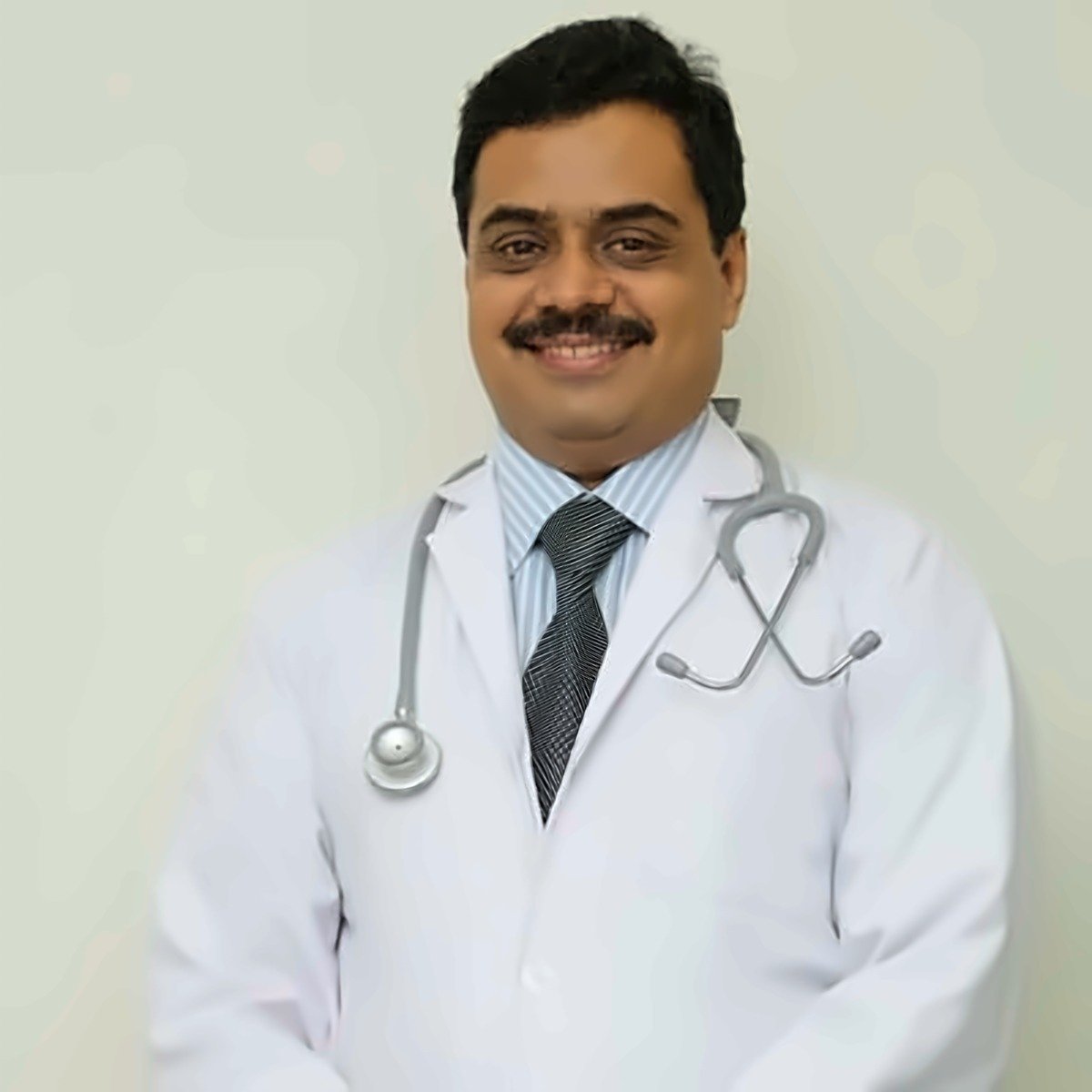
Written by Dr. Ashutosh A Shah, M.B.B.S., M.S., M.Ch., D.N.B., Board Certified Plastic and Reconstructive Surgeon, Elegance Clinic, Surat. Reg. no. [REG NO]. 22+ years in plastic and reconstructive surgery.
Medically reviewed by Dr. Ashutosh A Shah · Published 28 September 2026 · Last reviewed 28 September 2026
Hair transplant training teaches a procedure to doctors who are already qualified and registered. Teaching it is a distinct credential from performing it. Attending a workshop does not by itself qualify anyone to begin aesthetic surgery, and India's regulator has said so in those terms.
Most clinic pages about a surgeon list qualifications and expect you to take them on trust. This one does something slightly different.
It explains what teaching a procedure does and does not tell you about a surgeon, quotes what the regulator actually requires, and then shows you how to check any of it yourself, including the claims on this page.
Why does it matter to a patient who teaches a procedure?
It is one signal, and it is not a qualification. A surgeon who teaches has had other qualified surgeons decide they were worth learning from, and has had to be able to explain their technique rather than only perform it.
That is genuinely informative, and it is also easy to overstate. Teaching does not make someone a better operator, it does not appear on any register, and it is not a legal permission to do anything.
What it is reasonable to read into it:
- Peer acceptance. The people in the room are practising doctors who could have gone elsewhere.
- A technique that can be articulated. Teaching forces a surgeon to justify each step rather than rely on habit.
- Continued engagement with the field rather than doing the same thing unexamined for twenty years.
What it is not reasonable to read into it: that the surgeon is better than one who does not teach, or that teaching substitutes for the qualifications set out in section 5.
What does faculty work actually involve?
Running hands-on training for doctors who are already qualified and registered, and who are adding a procedure to an existing scope of practice.
In practice it means demonstrating on live cases with delegates present, supervising them, and then being available afterwards when a delegate hits something unexpected in their own theatre. The last part is the one that separates real training from a demonstration.
In my own experience the questions delegates ask change what I do in my own list. A doctor watching without twenty years of assumption behind them will ask why a step is done a particular way, and sometimes there is no good answer beyond habit. That is uncomfortable and it is useful.
The training itself runs through Elegance Vidhyalay in Surat, which is a separate organisation with its own site. Details of the course, who it is for and what it covers belong there rather than here.
Who attends this training, and what are they already?
Qualified, registered doctors. Not students, not technicians in place of doctors, and not members of the public.
This matters more than it might appear, because the phrase "trained in hair transplant" is used loosely in clinic advertising, and it means completely different things depending on what the person was before the training.
A workshop is continuing education layered on top of a medical qualification. It is not a route into medicine, and a certificate from one is not a substitute for a degree. Which is exactly what the regulator has said, in the next two sections.
What can a workshop do, and what can it not?
It can shorten the learning curve for a qualified surgeon adding a technique. It cannot create a surgeon, and it cannot extend anyone's scope of practice beyond what their qualification allows.
| A workshop can | A workshop cannot |
|---|---|
| Teach a technique to someone already trained to operate | Qualify someone to operate who is not already qualified |
| Shorten the time from first exposure to competence | Replace supervised practice over time |
| Give a doctor a named person to call afterwards | Confer any registrable qualification |
| Demonstrate how complications are handled | Substitute for the experience of managing them yourself |
| Be a legitimate line on a CV | Be presented to patients as a specialist qualification |
That final row is the one worth carrying into a consultation. If a clinic's main stated credential for a procedure is a workshop or a certificate course, that is a fair thing to ask more about.
What does Indian regulatory guidance actually say?
It is unusually direct, and it says two things that bear on this page.
The Ethics and Medical Registration Board of the National Medical Commission issued guidance dated 28 September 2022. On who should be performing this work, it recommended "MCh/DNB Plastic surgery, MD/DNB Dermatology with adequate grooming in dermatological surgical procedures for conducting hair transplantation surgeries".
And on training, in terms that leave little room:
"It may be noted that watching in workshops or on YouTube, or any other similar platform, is not adequate training to start Aesthetic surgeries."
That sentence is quoted here on a page about someone who runs workshops, because it is true and because a page that left it out would be doing the thing the same notice warns against. The guidance also tells practitioners to avoid "advertising with False/ exaggerated claims".
One honesty note about the source. I have quoted this as it has been reported, because I was not able to retrieve the original notice document itself. The wording above is consistent across the reports of it, and the issuing board is a matter of public record, but you should know it is a reported quotation rather than one taken from the primary document.
How do you check any surgeon's qualifications yourself?
Search the National Medical Commission's own register. It is public, it is free, and most patients do not know it exists.
The Indian Medical Register holds registered practitioners' names, qualifications, registration numbers, registration years and the State Medical Council they are registered with.
How to use it:
- Get the registration number. It should be published. If it is not, ask for it directly. A reluctance to give it is itself an answer.
- Search by that number, or by name and State Medical Council if you do not have it.
- Check the qualification against section 5. For hair transplant, the guidance names MCh or DNB in plastic surgery, or MD or DNB in dermatology with adequate surgical grooming.
- Check the blacklist. The register carries a separate blacklisted doctors category.
- Note the caveat. The site itself states "This data is being updated", so treat an absent entry as a question to ask rather than a conclusion.
Do this for any surgeon you are considering, including this one. A credentials page that tells you how to check it is more useful than one that asks you to believe it.
What does a peer's review signal, and what does it not?
A review from a fellow doctor is a different kind of statement from a patient review, and it should be read differently.
A patient can tell you how they were treated and how they felt about the result. They cannot assess technique, and a patient testimonial about a surgical outcome is not evidence of anything clinical.
A practising surgeon reviewing training they attended is commenting on something they are competent to judge: whether the technique was sound, whether the teaching was honest about difficulty, whether complications were shown rather than edited out.
What it still does not do is tell you anything about your own case. A colleague's view of a teaching session is not a prediction about your result, and it should not be read as one.
The video accompanying this page is a review of training by [REVIEWING SURGEON], a practising plastic surgeon who attended. It is published as peer comment on the teaching, not as a statement about patient outcomes.
What should you ask when you are choosing a surgeon?
Ask about the qualification first and the extras second. Most clinic conversations happen in the opposite order.
- "What is your primary surgical qualification, and what is your registration number?"
- "Which State Medical Council are you registered with?"
- "Will you personally perform the procedure, and who else will be in the room?"
- "How many of these do you do, and how often?"
- "What happens if there is a complication, and who manages it?"
- "If something goes wrong after I go home, who do I call?"
Notice that a workshop certificate is not on that list. It is a reasonable thing to ask about, and it answers a different question from any of these. If it is offered as the answer to the first question, that is worth noticing.
What are the qualifications and registration behind this page?
M.B.B.S., M.S., M.Ch. and D.N.B., with the M.Ch. in plastic surgery, practising in Surat for more than twenty years. The registration number is published in the byline at the top of this page so that you can check it.
The certificates themselves are on the certificates page, and the broader reconstructive practice is described under reconstructive surgery.
Applying section 5 to this page rather than only to other people: the M.Ch. in plastic surgery is the qualification the NMC guidance names for hair transplantation. The faculty work is additional to it, not a substitute for it, and this page has tried not to present it as anything more than that.
Next step
If you are weighing up a surgeon, check the register first and book the consultation second. To discuss a procedure or a second opinion, use the contact page in Surat.
This article is for education. It describes qualifications and training and is not a claim about the outcome of any procedure. Regulatory guidance quoted here is summarised as reported and should be read in full at source. Please verify any surgeon's registration independently before treatment.
FAQs
Does teaching a procedure make a surgeon better at it?
Not automatically, and it is not a qualification. What it does indicate is that other qualified surgeons were willing to learn from them, and that the person has to be able to explain what they do rather than only do it. Treat it as one signal among several.
Who attends hair transplant training workshops?
Practising doctors who are already qualified and registered, adding a procedure to an existing scope. They are not students and not laypeople. That distinction matters, because a workshop is continuing education for someone who already has a medical qualification, not a route into medicine.
Does a workshop qualify a doctor to perform hair transplants?
No, and the regulator has said so. The NMC's Ethics and Medical Registration Board stated on 28 September 2022 that watching in workshops or on YouTube, or any similar platform, is not adequate training to start aesthetic surgeries. A workshop supplements a qualification. It does not replace one.
How do I check a surgeon's qualifications in India?
Search the Indian Medical Register on the NMC website. You can look up a doctor by name, qualification, registration number or state medical council, and there is a separate blacklisted doctors category. Ask for the registration number directly if it is not published on the clinic's site.
What is the NMC position on aesthetic surgery training?
Its Ethics and Medical Registration Board recommended in 2022 that hair transplantation be performed by those holding MCh or DNB in plastic surgery, or MD or DNB in dermatology with adequate grooming in dermatological surgical procedures. The same notice warned against advertising with false or exaggerated claims.
What should I ask a surgeon about their training?
Ask for the primary qualification and the registration number, then verify both yourself. Ask who will actually perform the procedure and who will be in the room. Ask how many of these they do. A workshop certificate is worth asking about, but it answers a different question.
Where is the training held?
At Elegance Vidhyalay in Surat. Details of the course itself, including who it is intended for and what it covers, sit on that organisation's own site rather than here. This page is about what teaching signals to a patient, not about enrolling.
Ready to discuss your concern in person? Book a private consultation at our Adajan or Vesu clinic. Call +91 83205 00350 or use the Book Consultation button.